
By: Cece Han
Edited by: Olivia Yzerman
Formula One is the pinnacle of motorsport. In terms of international single-seater formula car racing, Formula One is the highest class. It is the world’s most prestigious competition for motor racing and has a fanbase of 827 million around the world as of 2025. However, behind the glitz and glamour of high-class motor racing lies a sordid political motive for some host countries. “Sportswashing”, is a term coined by Amnesty International which refers to the attempt of an authoritarian state to use sporting events, such as Formula One, to redirect public attention away from the country’s human rights abuses and/or unethical conduct. The point of sportswashing is so that host countries can attempt to rehabilitate their reputation, and as a result, “wash” away the negative publicity they may have received before, through the popularity of hosting a Formula One race.
Bahrain is a prominent example of this phenomenon. Bahrain was the first Middle Eastern country to host a Formula One race in 2004. Around the same time that Bahrain hosted this event, the nation was actively neglecting many human rights issues behind the scenes. A major human rights activist, Nabeel Rajab, and his organization- the Bahrain Centre for Human Rights, was subjected, repeatedly, to harassment from the Bahraini government who were actively silencing the voices of human rights activists, at the same time that they were hosting a Formula One race. During this period, numerous peaceful protests took place against the Bahraini government. This led government officials to resort to violence, leaving many killed and injured. Those who were not killed or injured on the streets were left to die in imprisonment from torture or neglect under the Bahraini government’s custody. The glorification and tourism that Formula One races bring to their host country was an effect that Bahrain was not exempt from. As a result, those in charge of organizing Formula One races can arguably be complicit in the human rights violations by allowing a country to host a race when that country’s own citizens were being neglected and killed.
On February 26, 2024, CEO of Formula 1, Stefano Domenicali was sent a letter ahead of the Bahrain Grand Prix, regarding the presence of sportswashing in the industry for the past twenty years. This letter, undersigned by many organizations, discussed their concerns over Formula One’s contract renewal of the Bahrain Grand Prix circuit. While Formula One celebrates Bahrain’s “20 years of Formula glory”, the human rights of those living in the country have only become more dire in the past two decades. Bahrain continues to silence the voices of journalists, violate the rights of its citizens, and engage in torture and police brutality. Human rights violations have even occurred during the Bahrain Grand Prix. The night before the 2012 Bahrain Grand Prix, Salah Abbas Habib, a protester, was killed by a police officer who fired his shotgun. Widespread protests demanded that Formula One should cancel the race, however, despite all the external pressure, the race continued. The host country bears responsibility for using sportswashing to obscure political corruption, but Formula One also shares that responsibility, both for continuing to race in Bahrain and for extending its contract there. Formula One becomes liable, not only in their silence regarding the blatant lack of human rights in Bahrain, but their praise of Bahrain’s legacy in Formula One goes to show the effectiveness of sportswashing in repairing a country’s reputation from their political problems.
Saudi Arabia serves as another prominent example of sportswashing in the Formula One industry. The country has a previous history where women did not have the right to drive. Despite the fact that Formula One intervened when Human Rights Watch (HRW) called on them, prominent activists vying for this change who were released from prison remain under suspended sentences, and have been banned by the government from traveling and continuing their pursuit of human rights work. These activists are also prohibited from speaking publicly about their imprisonment. Saudi Arabia also has a history of prison officers torturing detainees, and the use of capital punishment on minors and non-violent offenders. Despite these abuses, Formula One signed a long-term commercial deal in 2020 with Aramco, a Saudi state-owned oil company. This decade-long deal was signed following the murder and dismemberment of a Saudi Washington Post columnist and critic of the monarchy just two years earlier. This is another instance where it has to be asked whether Formula One bears a level of responsibility in ensuring that the political state of their host country remains uncorrupted from human rights violations in order to prevent the phenomenon of sportswashing.
The world of Formula One is unique in its ability to “cross borders and cultures” to bring countries and communities together to share in the love of the sport. This very global reach also makes it a powerful tool for sportswashing. A statement by race organizers in Saudi Arabia was released in response to the pressure on Formula One to speak out against the human rights abuses of Saudi Arabia: “We are confident that once people visit Jeddah [the city where the circuit is built], they will see for themselves what a vibrant, open and welcoming culture exists here”. This statement makes no acknowledgement towards the human rights abuses going on in their country, which is the cause of the concern in the first place. This demonstrates the impact of sportswashing on a nation’s international reputation, and how even the most inexcusable crimes can be overshadowed by sporting events.
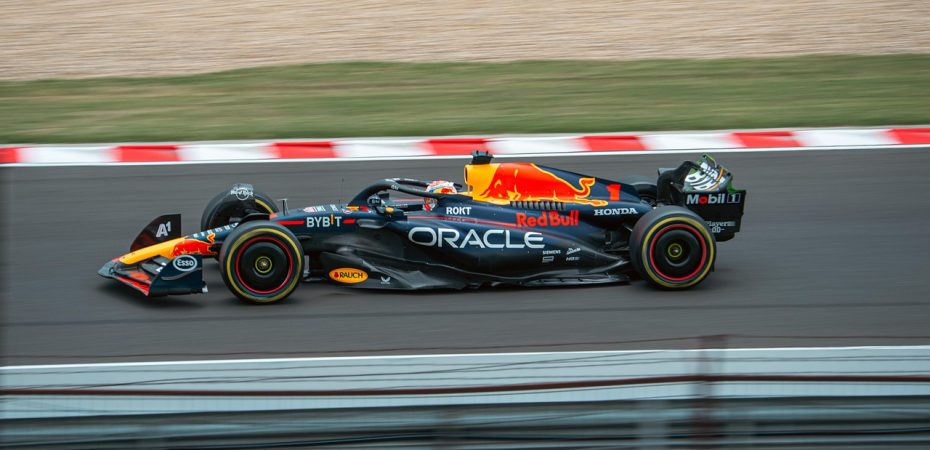
Image Citation: Pixabay. (n.d.). Red bull, Verstappen, F1 Image [Photograph]. Pixabay. https://pixabay.com/photos/red-bull-verstappen-f1-formula-1-8143008/
References:
ADHRB. (2025, February 25). F1 & the issue of sportswashing: what can be done? | Americans for Democracy & Human Rights in Bahrain. Americans for Democracy & Human Rights in Bahrain. https://www.adhrb.org/2025/02/f1-the-issue-of-sportswashing-what-can-be-done/
Bulos, N. (2024, May 2). F1 and oil funds: Saudi Arabia steamrolls onto sports’ hallowed grounds. Los Angeles Times; Los Angeles Times. https://www.latimes.com/world-nation/story/2024-05-02/f1-in-saudi
Formula 1. (2025a). Everything You Need to Know about F1. Formula 1. https://www.formula1.com/en/latest/article/drivers-teams-cars-circuits-and-more-everything-you-need-to-know-about.7iQfL3Rivf1comzdqV5jwc
Formula 1. (2025b, August 28). Records, growth and unforgettable moments – 2025 so far. Formula1.com. https://www.formula1.com/en/latest/article/records-growth-and-unforgettable-moments-the-2025-formula-1-season-so-far.1usXKBpUsYIndrYz22GQTq
Richards, G. (2021, December 1). F1 under pressure to speak out against Saudi human right abuses. The Guardian. https://www.theguardian.com/sport/2021/dec/01/f1-under-pressure-to-speak-out-against-saudi-human-right-abuses
Rights Groups Letter to F1 CEO Ahead of Bahrain Grand Prix: 20 Years of Sportswashing. (2023, December 11). Freedom House. https://freedomhouse.org/article/rights-groups-letter-f1-ceo-ahead-bahrain-grand-prix-20-years-sportswashing
Sarlas, A. (2022). Is Formula One off-track with deciding host cities? Australian Human Rights Institute. https://www.humanrights.unsw.edu.au/students/blogs/formula-one-off-track-deciding-host-cities